Source Black Household Washer Drive Belt for Commercial and DIY Use
Find a black household washer drive belt among 30 available listings. Compare specifications for universal compatibility, rubber and plastic materials, and DIY installation options. Review pricing, MOQs, and supply capabilities from manufacturers in China to select the right component for your appliance repair or manufacturing needs.
Key considerations
Products List


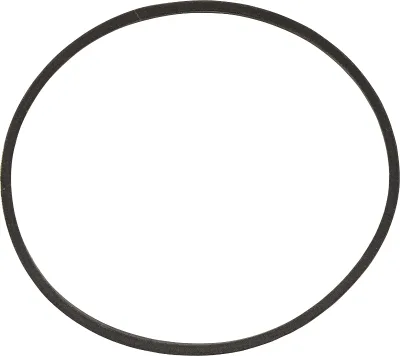
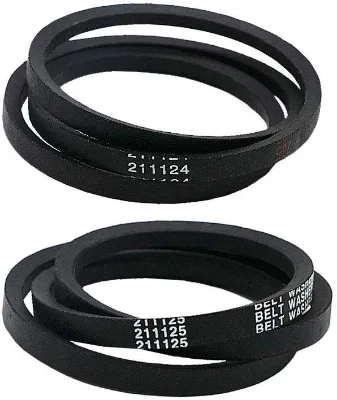
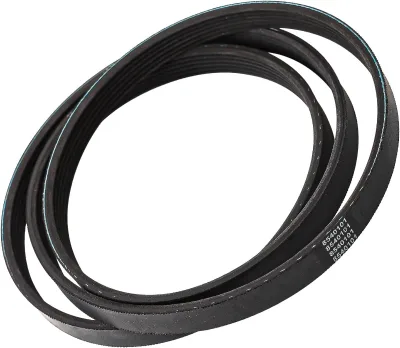
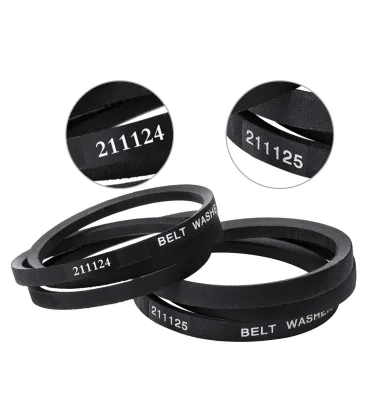
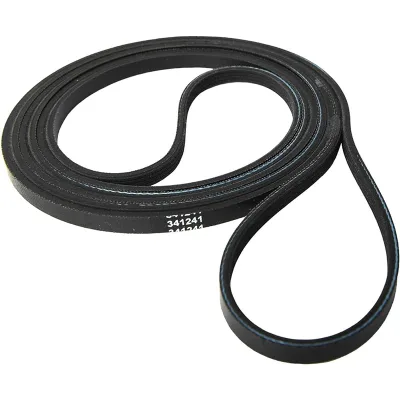
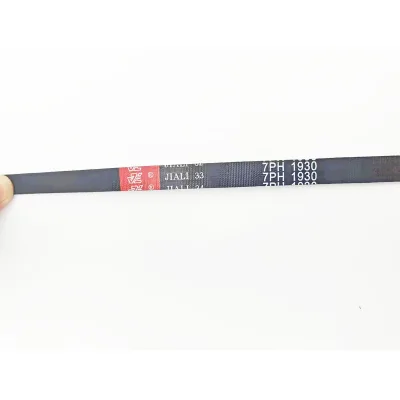
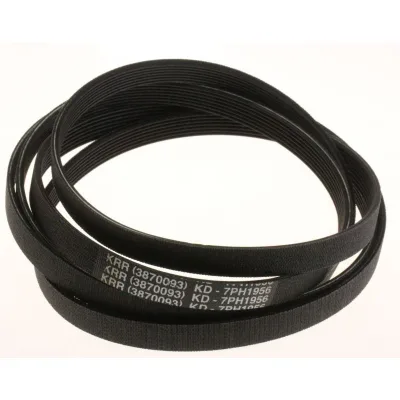
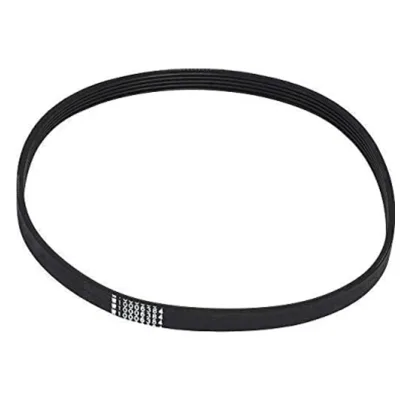
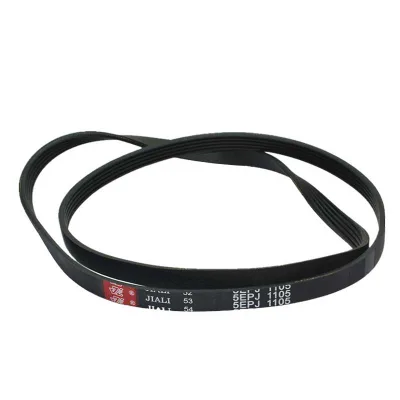


$1.00 - $5.00
Moq: 500



Comprehensive Sourcing Guide
Black Household Washer Drive Belt Sourcing Guide
Procuring a black household washer drive belt requires careful attention to material composition and compatibility, as the supply chain offers both rubber and plastic variants for different machine types. Buyers must verify that the selected belt matches the specific model number, such as 38174 or 12112425, to ensure proper fit within the drum or pump assembly. The universal compatibility claim found in listings suggests broad applicability, yet the physical dimensions and tension requirements vary significantly between commercial laundry units and standard household appliances.
Sourcing decisions should also account for the customization options available, including logo printing and specific packaging requirements like carton boxes. While many suppliers offer single-item selling units, bulk orders often trigger different packaging standards and minimum order quantities that can impact logistics costs. Understanding whether the belt is intended for a pump or a main drive application is critical, as the functional role dictates the necessary durability and tension characteristics required for reliable operation.
Product Scope and Observed Listing Signals
The market for black washer belts presents a wide price range, typically observed between 0.10 and 5.16 USD per unit, reflecting differences in material quality and production volume. This variance often correlates with the minimum order quantity, which can range from a single piece to 1000 units depending on the supplier's capacity and the buyer's negotiation leverage. Buyers should note that lower price points may correspond to standard sizes with basic rubber construction, whereas higher prices might indicate specialized plastic components or OEM branding services.
Listing signals also reveal diverse supply capabilities, with some vendors offering up to ten million pieces monthly while others maintain smaller production runs. The presence of free spare parts and a one-year warranty in certain listings indicates a focus on after-sales support, which is vital for maintaining continuous laundry operations. However, the observed single volume and gross weight of zero in some data points suggest that buyers must request actual physical specifications to avoid discrepancies in shipping calculations and inventory planning.
Technical Specifications to Verify
Technical verification begins with confirming the exact model number and material composition, as listings show both rubber and plastic options for similar applications. The standard size designation is common, but buyers must cross-reference these dimensions against their specific washing machine schematics to prevent installation failures. The power source is listed as electric or manual in various contexts, which implies the belt must be compatible with the motor's torque and speed characteristics to ensure efficient operation without slippage.
Installation is frequently marketed as a DIY process, yet the complexity of accessing the internal drum or pump assembly varies by appliance design. Buyers should verify the operating language of the documentation, which is typically English, to ensure clear instructions for maintenance and replacement. Additionally, the application scope spans from commercial laundry to household use, meaning the belt must withstand different duty cycles and load conditions without premature wear or failure.
Compliance and Safety Documentation
While specific certification names are not explicitly detailed in the provided data, the high-quality attribute suggests adherence to general safety and performance standards for appliance components. Buyers should request documentation proving that the rubber or plastic materials meet relevant flammability and chemical safety regulations for household appliances. The origin locations in Ningbo and Zhejiang, China, are major manufacturing hubs, but the lack of specific standard numbers in the listings necessitates a direct inquiry into the product's compliance with international safety norms.
Safety verification also extends to the functional reliability of the belt during operation, particularly regarding its role in preventing mechanical failure that could damage the motor or drum. The feature of durability is highlighted in several listings, but this claim requires validation through independent testing or supplier-provided test results. Ensuring that the product meets the necessary safety thresholds is essential to protect both the equipment and the end-user from potential hazards associated with belt failure.
Cost Drivers and Commercial Terms
Commercial terms significantly influence the total cost of ownership, with payment structures often requiring a 30% TT advance before production begins. The minimum order quantity acts as a primary cost driver, with thresholds ranging from 500 to 1000 pieces, which can affect the unit price and the feasibility of small-scale procurement. Buyers must evaluate whether the supply ability of one million to ten million pieces per month aligns with their demand volume to secure favorable pricing tiers.
Lead times and logistics costs are also critical factors, with delivery times typically estimated at 15 days from the port of dispatch in Ningbo or Shanghai. The choice between single-item purchases and bulk sets, such as 1000 or 2000 pieces per set, impacts the overall budget and inventory management strategy. Understanding the packing specifications, such as carton packaging, is essential for calculating shipping volumes and ensuring that the goods arrive without damage during transit.
Supplier Qualification and Quality Control
Supplier qualification should focus on their ability to provide OEM and ODM services, as many listings indicate acceptance of custom branding and design requirements. The availability of free spare parts and a one-year warranty demonstrates a commitment to product reliability and customer support, which are key indicators of a trustworthy supplier. Buyers should verify the supplier's production capacity and quality control processes to ensure consistent output that meets the high-quality standards observed in the market.
Quality control measures must include rigorous testing of the belt's tensile strength and resistance to wear, especially given the diverse applications from household to commercial laundry. The observation of zero single volume and weight in some data points highlights the need for suppliers to provide accurate physical specifications to avoid logistical errors. Establishing a clear communication channel for addressing any quality issues is vital, as the DIY installation nature of the product places the burden of correct fitting on the buyer.
Long-Term Procurement Checks
Long-term procurement success depends on maintaining a stable supply chain that can consistently deliver belts matching the required model numbers and material specifications. Buyers should regularly audit supplier performance against the agreed-upon warranty terms and the availability of free spare parts to mitigate future maintenance costs. The ability to scale orders up to ten million pieces per month suggests that suppliers can support growing business needs, but this capacity must be validated through ongoing performance reviews.
Continuous monitoring of market trends and technological advancements in washing machine components is necessary to ensure the selected belts remain compatible with evolving appliance designs. The observation of various standard sizes and material types indicates a dynamic market where flexibility is key to maintaining a competitive edge. Establishing a strategic partnership with suppliers who offer customization and reliable after-sales service will help secure a steady flow of high-quality drive belts for long-term operational stability.
FAQs
What material is the black household washer drive belt made of?
The belt is made of rubber, which provides the flexibility and grip needed for washing machine drum operation. Some listed variants use plastic for pump or dryer belt applications. Rubber construction suits both household washing and commercial laundry use, and buyers can confirm the exact material per model before ordering.
Can I customize the washer belt with my own logo or branding?
Yes, customization is available, including silk screen printing for logos and graphic designs. OEM and ODM orders are accepted, so you can request branded packaging or modified specifications. Discuss artwork, printing placement, and minimum order requirements with the supplier before confirming your production order.
What is the minimum order quantity for these washer drive belts?
Minimum order quantities vary by listing, typically ranging from 500 pieces to 1000 pieces per order. Some product sets are packaged in standards of 300, 500, 1000, or 2000 pieces per set. Confirm the applicable MOQ for the specific belt model you need before requesting a quotation.
How long does delivery take for an order of washer belts?
Delivery time is about 15 days after order confirmation, depending on order volume and production scheduling. Goods are dispatched from Ningbo or Shanghai port, and packing is done in cartons. Buyers should confirm the exact lead time with the supplier, since larger customized orders may need additional production time.
Which washing machines are compatible with this drive belt?
The belt is designed as a universal fit for washing machines, covering household washing and commercial laundry applications. Because drum sizes and drive configurations differ across brands, buyers should verify dimensions against their machine before ordering. Standard sizing applies to the listed models, and suppliers can confirm fitment for specific units.
What warranty and after-sales support is provided for washer belts?
A one-year warranty is provided, along with free spare parts as after-sales service. This coverage applies to defects under normal washing machine operation. Buyers should keep order records and confirm warranty terms in the purchase agreement, since support arrangements can vary between different listings and suppliers.
How large is the production capacity for these washer belt suppliers?
Listed supply ability reaches up to 10,000,000 pieces per month, with some listings showing 1,000,000 pieces monthly. This high capacity supports both small trial orders and large recurring shipments. Buyers planning long-term contracts should confirm current capacity directly, as available output can change with seasonal demand.
What payment terms apply when ordering washer drive belts?
Payment follows a 30 percent TT advance arrangement, with the balance typically due before shipment. Orders are sold as single items and packed in cartons for transport. Buyers should confirm the full payment schedule, accepted methods, and any deposit conditions with the supplier before placing a production order.